Best time to Trek
Choosing the right window is the difference between a cloudy walk and a life-changing Himalayan panorama. Because the Kanchenjunga region is located in Eastern Nepal, it receives the monsoon earlier and more intensely than Everest, making timing even more critical.
Autumn: the “Golden Standard” (October-November)
The number one season for the Kanchenjunga South Base Camp trek.
Visibility: Post monsoon rains wash away the dust, resulting in the crispest, crystal-clear views of the Yalung face.
Weather: Extremely stable. Bluebird days are the norm, and the rise of rain is minimal.
Temperature: perfect for trekking, 10-15 degrees Celsius during the day and nights with a drop to -5 degrees Celsius, but the dry air makes it manageable.
Culture: You will likely witness major festivals like Dashain and Tihar in the lower villages of Yamphuding and Taplejung.
Trekking Permits and Logistics
Since this is a restricted area, transparency about paperwork builds trust with your clients. Kanchenjunga Restricted Area Permit (RAP): Required for all foreign nationals, must be issued through a registered Nepali trekking agency.
Kanchanjunga Conservation Area Project (KCAP): Entry fee for environmental preservation
Group size policy: Nepal government regulation requires a minimum of two trekkers and a licensed guide. No solo trekking is permitted here.
Physical requirements and difficulty
This is categorised as a grade 5 strenuous trek
Duration: 13 days of consistent walking (5 to 8 hours per day).
Altitude: Multiple days spent above 5000-8000m.
Preparation: we recommend a 3-month training regimen focusing and cardiovascular endurance, weighted hiking, and flexibility
What makes Kanchenjunga South Base Camp different from other treks?
What distinguishes the Kanchenjunga South Basecamp trek from other Himalaya journeys is its repetition as two spiritual strongholds of the Kanchenjunga demon, a far more menacing popular culture entity than the shy “Abominable Snowman” popularly known.
What distinguishes the Kanchenjunga South Base Camp trek from other Himalayan journeys is its reputation as the true, spiritual stronghold of the “Kangchenjunga Demon,” a far more menacing entity than the shy “Abominable Snowman” of popular culture.
While the Everest region treats the Yeti as the lovable Mascot for tourists, the locals in the remote villages of Kanchenjunga in the South Region, particularly the Limbu and Rai communities the revere the creature as Rakshasa (demon) or a“Glacier Being”.
Here, the yeti is not merely a hidden animal, but a powerful guardian deity of the Hunt and a Guardian of the mountain, becoming an Immortal spirit responsible for the fierce and sudden storms that sweep across the Yalunug Glacier.
This region also holds so unique Cryptozoological history, lending the trip a sense of authenticity that others lack. It was near the Zemu and Yalung glaciers that one of the most credible Yeti sightings occurred in 1925. N.A. Tombazi, of photographer with the Royal Geographical Society, reported seeing a battle figure that was exactly like a human being walking upright and pulling at dwarf rhododendron bushes.
This historical account hangs over the trip today as high courts navigate the dense preamble forests of bamboo and rhododendron, which are believed to be the food source of the creature. The landscape feels pre-story can be untouched, making it seem the creature Tombazi saw is still watching from the treeline.
Ultimately, the atmosphere of Kanchenjunga South is defined by this darker, more mythical lore. The isolation of the trekkers is often alone in the wild, where the whistling winds are frequently interpreted by the locals not as weather but as the call of the “Bann Jhankri” (Forest Shaman), a Wild Jungle entity closely linked to the Yeti folklore. Unlike the commercialised trails where the Legend is sold as a souvenir, a journey to Kanchenjunga South is a step into the actual territory of Myth where the Yeti is feared, respected, and is believed to be very real.
Kanchenjunga South Base Camp
What distinguishes the Kanchenjunga South Base Camp trek from other Himalayan journeys is its reputation as the true, spiritual stronghold of the “Kangchenjunga Demon,” a far more menacing entity than the shy “Abominable Snowman” of popular culture.
While the Everest region treats the Yeti as the lovable Mascot for tourists, the locals in the remote villages of Kanchenjunga in the South Region, particularly the Limbu and Rai communities they revere the creature as Rakshasa (demon) or a “Glacier Being”.
Here, the yeti is not merely a hidden animal but a powerful guardian deity of the Hunt and a Guardian of the mountain, known to be an Immortal spirit responsible for the fierce and sudden storms that sweep across the Yalung Glacier.
This region also holds so unique Cryptozoological history, lending the trip a sense of authenticity that others lack. It was near the Zemu and Yalung glaciers that one of the most credible Yeti sightings occurred in 1925. N.A. Tombazi, of photographer with the Royal Geographical Society, reported seeing a battle figure that was exactly like a human being walking upright and pulling at dwarf rhododendron bushes.
This historical account hangs over the trip today as high courts navigate the dense preamble forests of bamboo and rhododendron, which are believed to be the food source of the creature. The landscape feels pre-story can be untouched, making it seem the creature Tombazi saw is still watching from the treeline.
Ultimately, the atmosphere of Kanchenjunga South is defined by this darker, more mythical lore. The isolation of the trekkers is often alone in the wild, where the whistling winds are frequently interpreted by the locals not as weather but as the call of the “Bann Jhankri” (Forest Shaman), a wild Jungle entity closely linked to the Yeti folklore. Unlike the commercialised trails where the Legend is sold as a souvenir, a journey to Kanchenjunga South is a step into the actual territory of Myth where the Yeti is feared, respected, and is believed to be very real.
The Tea Capital: A landscape of Rolling Emerald
Ilam is most famously known as the tea capital of Nepal, earning little from it through a history that dates back to 1863. Like this jacket is my pics of Central Nepal, the landscape here is defined by soft rolling Hills landscaped in perfectly manicured tea plants.
District produces over 90% of Nepal’s orthodox tea, and its gardens like Kanyam and Fikkal are often shrouded in a signature silver mist that gives the region a dream-like, ethereal quality.
Ilam offers a visual contrast. It is a large green Sanctuary that sits at the feet of the world’s third-highest peak, Kanchenjunga, serving as a tranquil threshold before the mountain’s wilder, more dangerous terrain begins.
Bhadrapur
Bhadrapur serves as a low-altitude getaway to the east, a historic transition point where the tropical heat of the Terai plain meets the rising shadows of the Himalayas. Located on the banks of the Mechi River, this bustling town is more than just a transit hub for those heading to the tea Gardens of Ilam or the high ridges of Kanchanjunga; it is a landscape rooted in ancient mythology.
At the nearby site of Kichakbadh, local lore connects the soil to the epic Mahabharata, marking the spot where your legendary heroes once walked. As the starting point for the journey northward, Bhadrapur offers A final glimpse of urban life and diverse lowland culture, such as Rajbanshi and Meche, before the terrain transforms into the misty, elusive mountain Demons and high altitude mysteries.
Kanchenjunga conservation area: The Living Sanctuary
The Kanchenjunga Conservation Area is a massive, 2,035-kilometer wilderness that represents one of the most ecologically diverse regions in the entire Himalayan chain. Established in 1997 and managed directly by the local community stewards, it is a “Gift to the Earth” that stretches from subtropical forest at 1200 m to the icy 8,580m summit of the world’s third-highest peak.
Landscape is a sanctuary for some of the planet’s most elusive wildlife inside including the endangered Red Panda and the snow leopard, a species referred to as the “Ghost of the Mountains.” Inside its borders, the air is filled with the scent of over 23 species of blooming Rhododendrons in the spring, while the higher elevations are home to the legendary Glacier being of the local folklore. It is a place where nature it’s not just protected by law, but is deeply woven into the Spiritual fabric of the Limbu and Sherpa people who call this frontier home.
Trip info of Kanchenjunga South Base Camp Trek
-
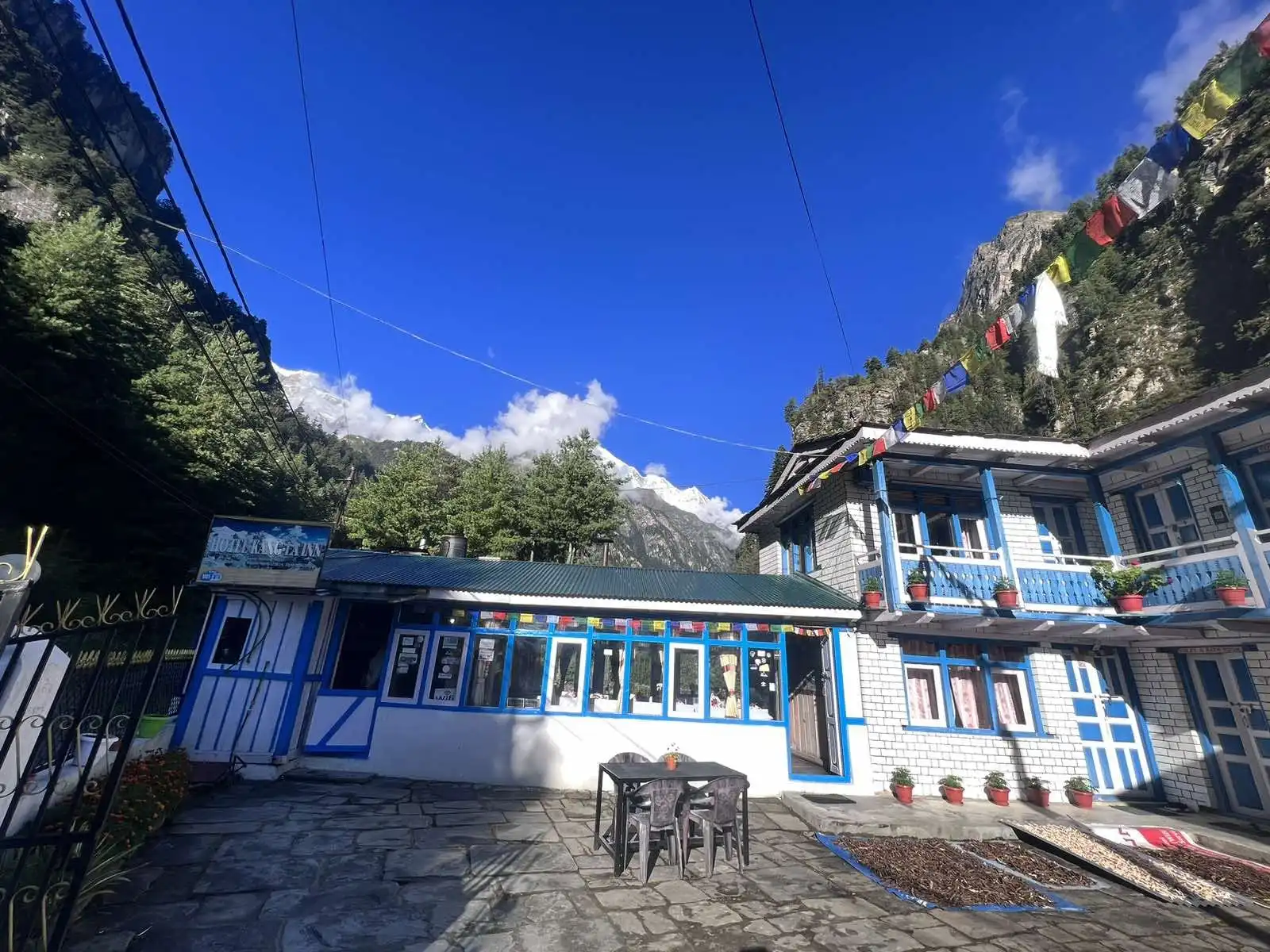
Hotel in Ktm/ Teahouse on route
-
Spring (March to May) and Autumn (Oct to Nov)
-
KCAP permit & Restricted Area Permit (RAP)
-
Kathmandu
-
5-7 hours per day (approx 12 to 16 km daily)
-
Breakfast/Lunch/Dinner
-
Private 4x4 Jeep transfers from Bhadrapur to the trailhead in Taplejung.
-
10
-
70
Trip overview
The Kanchenjunga South base camp trek is an exceptional 13-day high-altitude expedition crafted for trekkers who desire the unspoiled, untouched splendor of the Eastern Himalayas. In contrast to the busy Trails of Everest, this off-the-beaten-path journey takes you into the heart of the Kanchenjunga Conservation Area, a refuge for rare wildlife, including the Red Panda and snow leopard.
As you traverse through the sacred landscapes of the Limbu and Rai communities, this adventure provides an ideal combination of cultural experience and rugged mountain beauty, reaching its peak at the stunning Oktang viewpoint (4,730 m/15,518 ft).
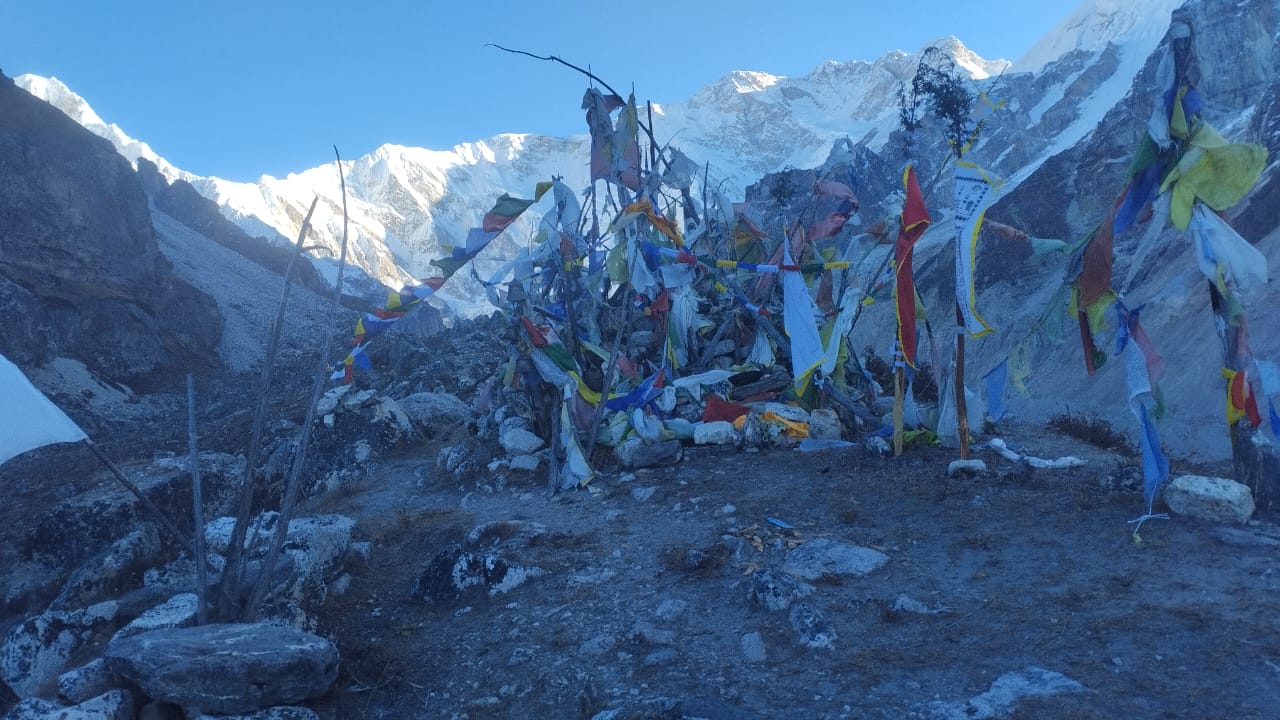
The trip showcases are remarkable area of ecological diversity, beginning with a picturesque flight to the tropical lowlands of Bhadrapur and a drive through the lush tea plantations of Ilam. Starting from the trailhead at Taplejung, you’ll ascend through the ancient Rhododendron woods and bamboo groves, ultimately arriving on the moraine of the vast Yalung Glacier.
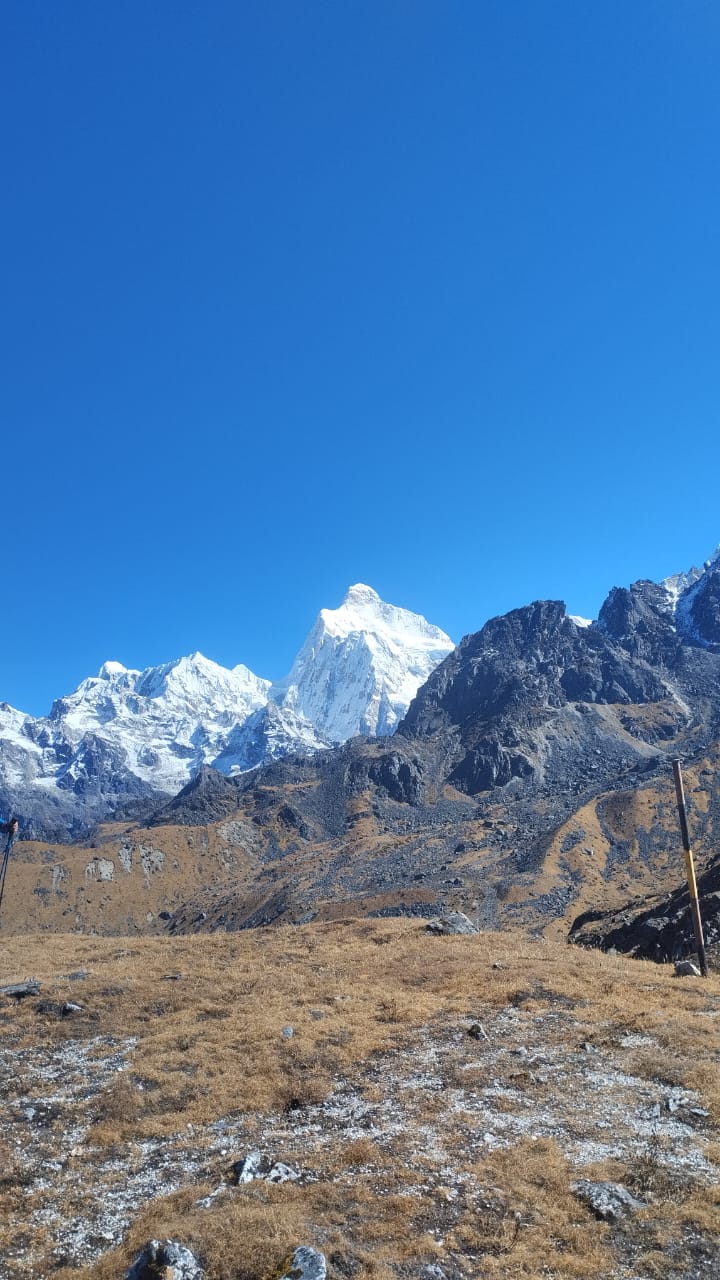
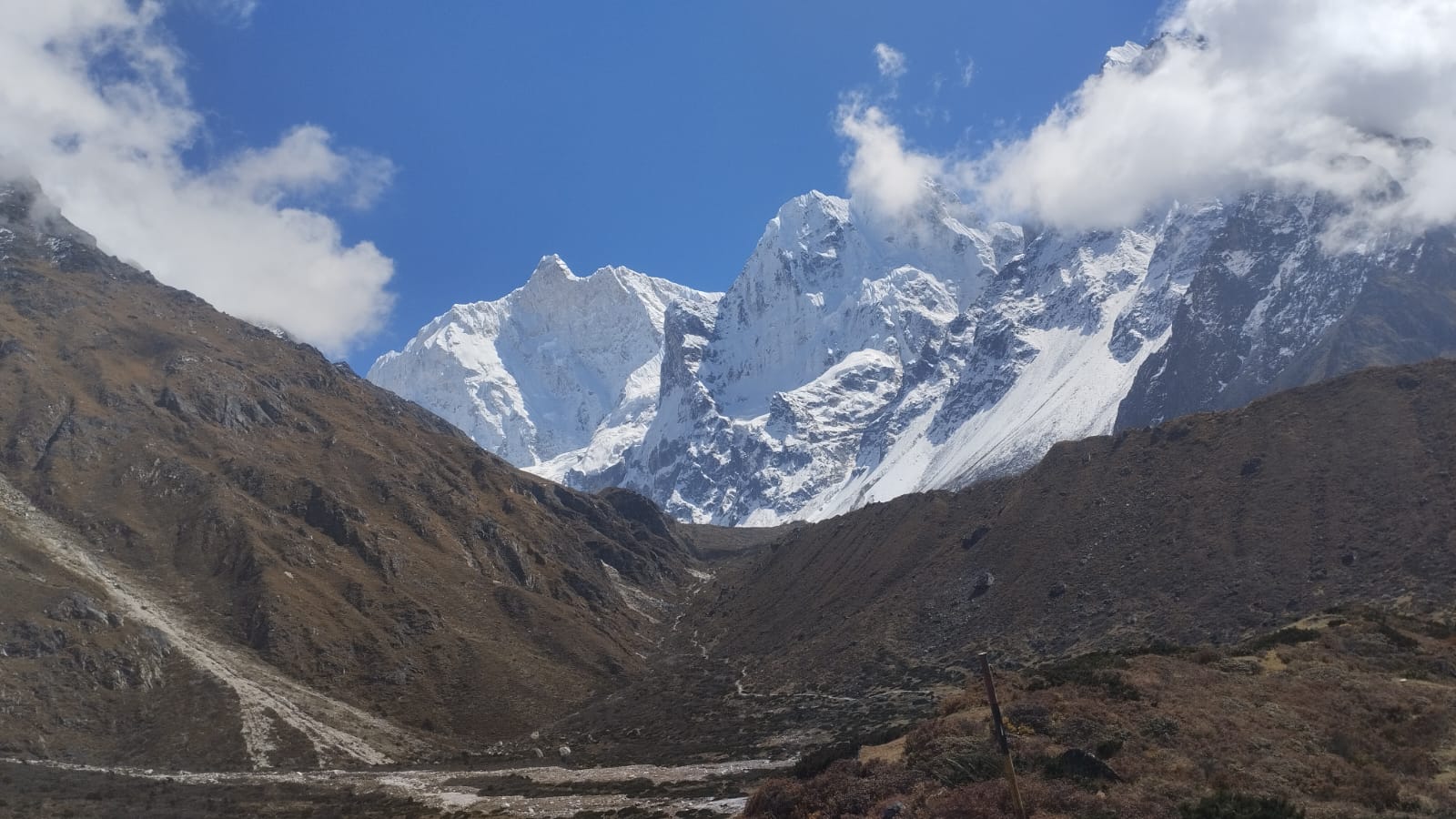
Here, you will come face to face with the South face of Kanchanjunga 8,586 m, the third-highest mountain in the world, and the striking summits of Mount Kabru and Mount Rathong, which dominate the landscape along the Nepal-Sikkim border.
This moderately challenging 13-day itinerary is particularly designed for effective acclimatization, including an important rest day in Tseram before the final ascent to Ramche. City house best crake you will enjoy genuine Himalayan hospitality in secluded lodges, far from mainstream tourism.
Whether you are a seasoned hiker searching for the hidden treasure of the Great Himalaya Trail or a mountain lover seeking a spiritual connection with the “Five Treasures of Snow,, the Kanchenjunga South base camp trek stands out as the ultimate standard for authentic trekking in Nepal.
Highlights of the Trip
- Intimate South face views
- The Massive Yalung Glacier
- Untouched wildlife sanctuary
- Ilam’s Emerald Tea Gardens
- Deep cultural Immersion
- Absolute Solitude
- Sacred Himalayan Landscape