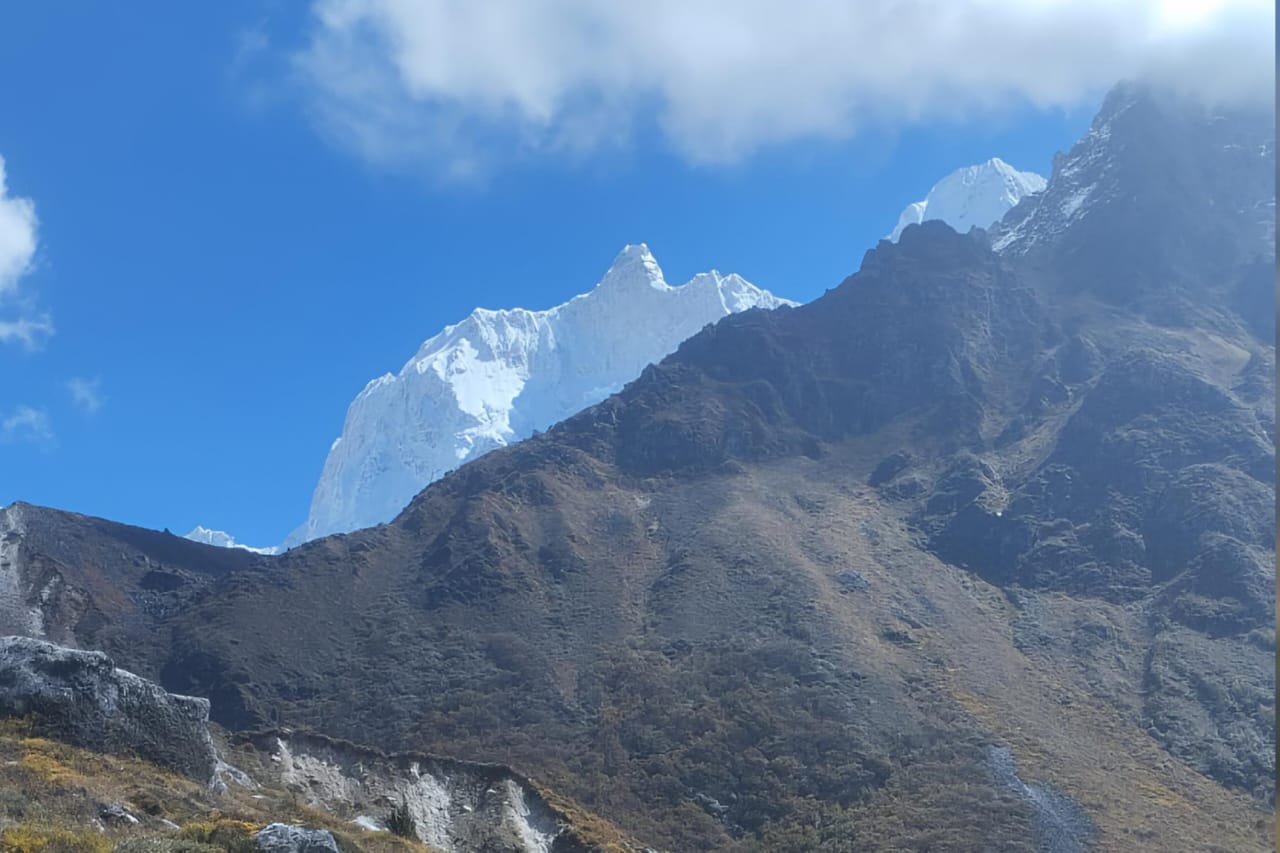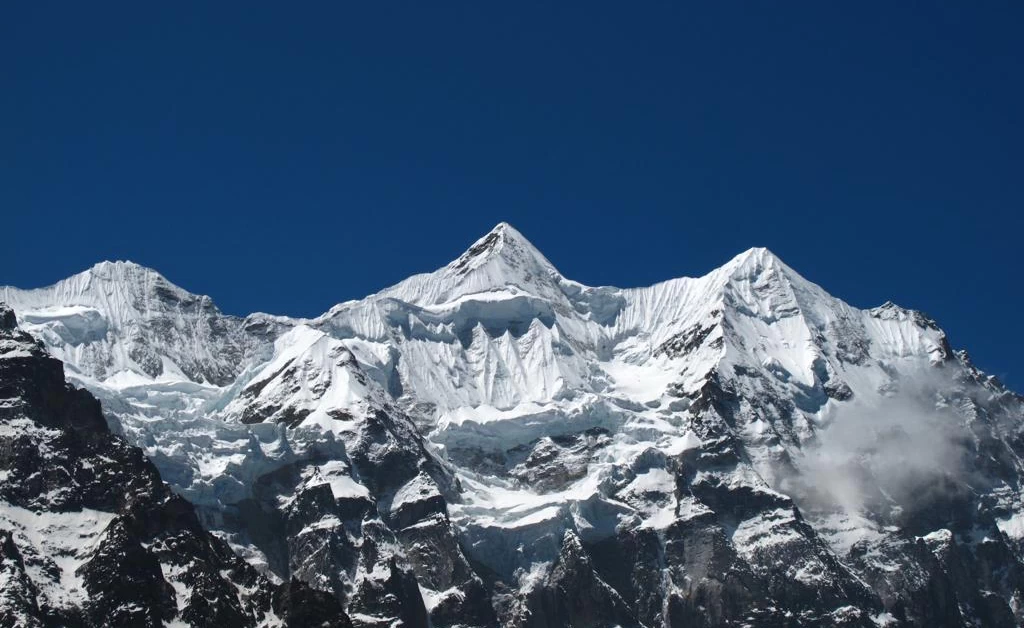
Mt. Kanchenjunga, the third-highest peak in the world, standing at an astounding altitude of 8,586 meters, is one of the most challenging, thrilling, and adrenaline-inducing destinations and a point for trekkers and daredevils. Surpassing even the highest peak in the world, Mount Everest, on the scale of challenge and risk. Many experienced trekkers and climbers rate Mt. Kanchenjunga as more thrilling from their personal experiences.
It might not be an element of amusement to know the fact that it is marked as a restricted area to travel alone, considering the risk it has, which is why any travellers, from outside the country, are recommended to have the company of a legally Registered and certified guide through a registered trekking agency.
Besides the legal consideration, hiring a local guide or porter is recommended. For the safety of travellers, as the locals are even more familiar with the geography and the build of the surroundings regarding this safety, navigation, and overall trekking experience, along with the culture, as well as help you know the proper dos and don’ts, and also with the logistics, they are better at calculating what the next steps are to be undertaken. In order to make your trip less burdensome physically.
The role of the guide.
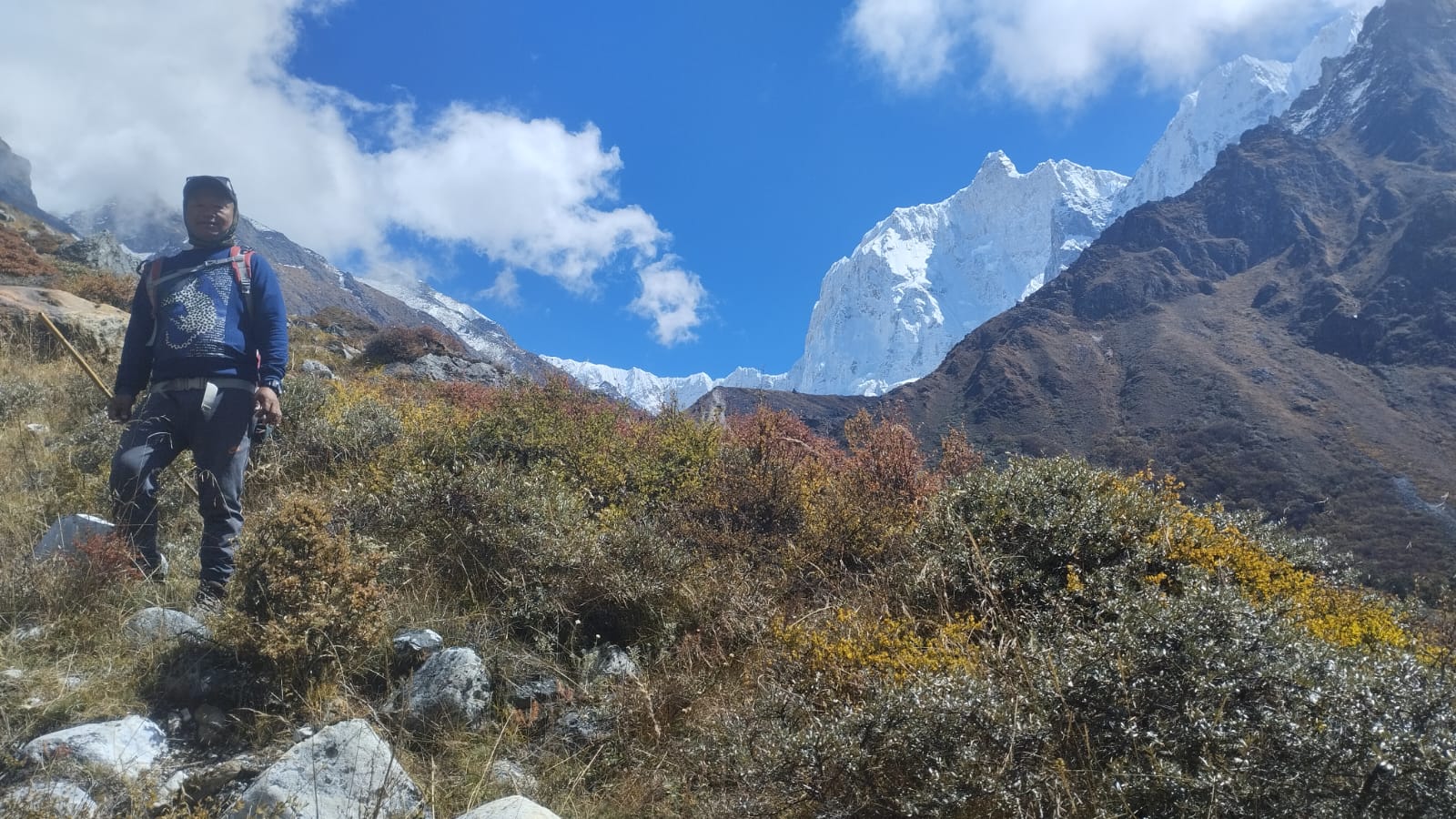
A guide without a question is the most important the during the expedition in any region or place as they help you in facilitating communication and knowing the environment better, which is unfamiliar to you, ensuring you get to know better as they are the ones born in the vicinity of the rugged terrain and the mountain air who can move ahead easily despite the challenges compared to any normal humans making sure that the trail you are on is he safest whilst they manage the paperworks to the flow smoother.
The expertise the guides have is the key factor for a better trip, as it allows them to monitor the health of climbers and adapt accordingly to the rising elevation. Hence, it’s better and important for travelers, be it their first time or even for the experienced ones, to be under better guidance.
The role of the porter
In an adventure trip like this, porters and guides are kinda like two sides of the same coin, as they have the same level of importance in the field. A guide navigates you to the destination, but a porter helps you get there by carrying your necessities and supplies you’ll need for survival. Porters are often some of the strongest humans on earth, and you’ll get to witness how, in such landscapes, they can carry up to 30 kilograms of utilities over difficult passes, making the trip physically feasible for most of the adventurers.
Their incredible endurance and strength are matched by their cheerful resilience, often setting up camp and preparing meals before you even arrive.
Hiring a local Porter also directly supports the local economy, providing a vital income for families in the remote mountain regions, without their immense physical contribution, or a remote trip like Kanchenjunga would be impossible for an average trekker.
Recruiting a professional trekking crew
Since the trekking route for the Kanchenjunga trek is one of the most remote and risky trek routes, hiring a well-experienced trekking crew with better experience beforehand is the most vital part of the trip before it begins.
The most reliable method for finding support staff for the trip is going through a well-established and registered trekking agency in Kathmandu as they have better knowledge through their over time experience and better grade of established and cooperative relationships in the market that will help you get qualitative services that suit your needs and demands for the price you pay alog with consideration for your value of money.
Booking through an agency ensures ethical treatment for the group, providing them with fair wages and proper high-altitude gear. Info Nepal Treks and Tours helps you meet the expectations, offering you a highly skilled team of professionals at reasonable rates.
Digital research and Advanced booking
For those who prefer to organise their trip from home, several online resources provide verified recommendations. Official bodies like Trekking Agencies Association of Nepal (TAAN) and Nepal Tourism Board (NTB) maintain directories of all legally registered guides and firms.
Additionally, you can gather honest feedback from the global trekking community on review-driven sites such as TripAdvisor, Lonely Planet’s Community Forum, and TrekBooking to find highly-rated professionals. Besides that, travelers can also search for official pages of agencies on social media like Facebook, Instagram, Pinterest, Threads, and TikTok.
Selecting the right guide and porter for Kanchenjunga
Choosing the right team for the Kanchenjunga trek requires careful attention to their credentials, background, and level of preparation. It is important to hire professionals who are not only certified but also physically and mentally ready for this challenging terrain.
Because this specific route is remote and less travelled, your guide must possess advanced navigational skills and the ability to handle high altitude logistics independently.
Furthermore, a reliable team should demonstrate a strong rapport with one another, as seamless communication between your guide and porters is essential for a safe and synchronised journey. Below are the key attributes you should look for the ensure you are hiring reliable and capable staff.
Validation of Professional licensing and training
To maintain safety and compliance, ensure your guide possesses are valid trekking licence authorized by the Nepal Tourism Board under the Government of Nepal or Trekking Agencies Association Nepal (TAAN).
This licence is awarded only after comprehensive instruction in navigating an emergency response and proper training, providing the guide with the necessary tools to safeguard trekkers. Verifying these documents before departure is a fundamental step in ensuring that your support staff has established professional benchmarks and legal standards in order to help you with future proceedings and with legally approved travel guide support.
Prioritising route expertise and Cultural insight.
Since the route on the circuit is a specialised channel, it is crucial to employ a guide who is intimately familiar with specific trails, altitude demands, and local nuances.
An experienced professional does more than finding the path; they enrich your journey by sharing deep insights into the unique landscapes, remote religious and indigenous customs, and their legends, which you will encounter, and the expertise of the guide will make the story and the interactions and the knowledge and the details, much more appealing, adding a layer to our trip like a cherry on top of a cake. When interviewing candidates, be sure to inquire about their specific history with this trek and their track record of leading successful expeditions for other international travellers.
Communication and Interpretation skills.
Effective communication.
To ensure a seamless journey, establishing a strong rapport with your guide is essential. It is highly recommended to select a guide fluent in English, as clear communication is vital for understanding safety instructions, local history, and cultural nuances. Many veteran guides are multilingual, which can be an added advantage.
Always verify their language proficiency before your initial meeting to ensure they can bridge the gap between you and their local communities effectively and avoid any sort of misunderstanding that might be created due to unforeseen circumstances or cultural differences.
Health and safety standards knowledge
The Kanchenjunga trek reaches significant altitudes where risks like AMS (Acute mountain sickness), physical injuries, and volatile weather are common. Consequently, your guide must hold a current first aid certification and be proficient in emergency response protocols.
A qualified guide will proactively monitor your health. Manage symptoms like dehydration or fatigue. And provide life-saving care until professional medical evacuation can be arranged if necessary, i.e, Emergency helicopter evacuation, which is mandatory for people traveling to the restricted area.
Personality and compatibility.
Since you will spend two to three weeks in close quarters with your crew, their temperament is just as important as their technical skills. Looking for a guide and Porter who are patient, adaptable, and maintain a positive attitude even when plans change due to weather or trail conditions.
Hosting a brief pre-trek meeting is an excellent way to gauge if their personality aligns with yours, ensuring a supportive and resourceful team by your side during the trip’s most gruelling sections.
Insured and financially protected.
Before departing, verify that your staff has comprehensive insurance to cover accidents, altitude-related illness, and emergency rescues. Registered agencies typically provide this for their employees. Independent trekkers must double-check these documents personally.
Ensuring your team is insured and it’s not only an ethical responsibility, but also a practical one, as it guarantees they receive proper medical attention without financial hardship if an accident occurs.
Updated cost breakdown for Kanchenjunga.
Hiring a professional establishes a critical investment in our safety and the success of your expedition. Below are the updated market rates.
Licenced Guide
A licensed Guide typically charges from $35 to $45 per day as their daily cost with inclusion of wages, meals, lodging, and high altitude gear.
Trekking porter
These types of professionals charge from $25-$30 USD. And carry from 15 to 20 kg of gear and utilities, including food and the accommodation service utilities like tents.
Porter-Guide
With the estimated cost of daily life of $35 to $40 and inclusion of basic guiding plus Porter service, like carrying a light load of up to a maximum of 10 kg, these types of guiding services are also very popular and beneficial if you are fit enough to carry some of your own accessories.
Additionally, transport facilities for these personnel are included as part of the client’s expenses, and all of these guide and porter personnel are well-trained and government-certified under the governance of Nepal.
Additional expenses to budget
Tipping Customs
While optional, tipping is the standard practice in Nepal. It is customary to budget 10%-15% per day for the guide and $8 to $10 per day for the Porter, presented in the envelope on the final day.
Transportation fees
You are responsible for the guide’s travel to the trailhead. A one-way flight from Kathmandu to Bhadrapur for a guide costs roughly $90 to $100, while bus transport is significantly cheaper, costing around $30 to $50.
Contingency days
If the trip is extended due to weather or health, you must pay the daily agreed rate for each additional day.
The advantages of organised group travel.
Joining a structured expedition through a prestigious trekking firm guarantees the expertise of seasoned guides who are deeply familiar with the safety requirements and terrain of the Kanchenjunga region.
This all-inclusive approach removes the burden of administrative tasks as the agency handles everything from restricted area permits to lodge bookings, allowing you to immerse yourself fully in the landscape. Beyond convenience, group travel offers an extra layer of security.
You benefit from shared medical supplies and a collective support system that is invaluable during high-altitude emergencies. Furthermore, because these trips operate on a fixed price model, you are protected from fluctuating costs often encountered on solo journeys.
Assessing the trade-offs. Structure vs freedom.
While organised trips provide Peace of Mind, they typically operate on a rigid schedule that offers little room for personal adjustment. Because the itinerary is set for the entire group, you may find it difficult to stay longer in your favourite Village or might have to deal with moving faster on the days you feel like spending some extra time.
For this reason, a group setting is ideal for those who prefer a “turn-key” experience or are navigating Nepal’s wilderness for the first time. However, if you create the freedom to customise your route and value a more intimate, solitary connection with a guide, and some private trip with your own guide and Porter, it would be a more rewarding investment.
Responsible hiring and crew welfare
Fair compensation
Guarantee that your team is paid the current industry standard daily wages, which typically range from $35 to $40 for guides and $30 to $35 for porters.
Avoid undervaluing Labour
Refrain from aggressive price negotiations are offer sub-par pay, as such practices directly threaten the financial stability and livelihood of your crew.
Respect weight limitations
Adhere to the maximum load of 20 kg per Porter. Despite being stronger and better on endurance than normal humans, they are still humans, and being overbearing in weight will hurt them physically and mentally, making the pace of your own trip slower and unpleasant.
So if you are on a budget, carry some of your own weight by yourselves, or if not, then hire some extra porters.
Provision of essential gear
When adding a trip without an agency, you are responsible for confirming that your Porter is equipped with insulated clothing, sturdy boots, and waterproof layers suitable for alpine environments.
Interpersonal respect
Fostering an environment of mutual respect by interacting with your guides and porters, kindly recognising their immense physical efforts and treating them as valued partners in your journey rather than some just paid labourers who are meant and supposed to do their duty.
Verification of safety coverage
When using a trekking firm, verify that every member of the field staff is protected by a comprehensive insurance policy that includes coverage for injuries and high-altitude medical sickness.
Reasonable pacing
Acknowledge the extreme physical toll of high altitude tracking by maintaining A manageable speed and avoiding any pressure on your crew to move at an unsafe pace or an exhausting tempo.
Key advice for selecting the ideal trekking team.
Plan
Start your recruitment process several weeks before your departure date to secure the most qualified and highly rated professionals.
Conduct initial interviews
If possible, arrange an in-person meeting with your guide upon arrival. To discuss the trekking styles, personal expectations, and a specific requirement on the route.
Evaluate past performance:
Scrutinise testimonials and travel platforms like TripAdvisor or Google, and don’t hesitate to ask for direct contact information from the owner (+977-9841936940) and check feedback from previous clients to verify their track record.
Define contractual terms
Explicitly agree upon daily pay, included services, lodging, food, and specific duties before signing any formal agreement.
Confirm legal credentials
Double-check that your guide holds an active government license. Sanctioned licences should be issued by TAAN or NTB.
Prioritise medical skills
Verify that your guide is proficient and emergency first aid and has expertise in managing altitude-related illness.
Verify insurance policies
Ensure that every staff member is covered by a comprehensive policy that specifically protects them during the high-altitude expeditions.
Maintain healthy ratios
For group travel, ensure there is an adequate number of his staff, typically one porter for every two hikers, to prevent physical strain or overloading.
Assess language skills
Opt for a guide with strong English fluency to ensure that communication remains clear and effective throughout the journey. We also have special guides, experts on other languages like German, Spanish, Italian, Korean, and French, for your efficiency.
Utilise trusted agencies
Book through a reputable organisation to guarantee ethical labour, practise fair wages, and provide high-quality equipment for the trekking group with experience.
Final thoughts on a successful expedition
Ultimately, employing professional trekking staff is the cornerstone of a safe and enriching Kanchenjunga adventure. Given the region’s extreme isolation and complex permit regulations, a certified Guide is indispensable for navigating the technical terrain and facilitating cultural exchange, and additionally, the camps are also very long during this trip, so it’s better for you to mentally prepare yourself in order to make the experience better.
Simultaneously, Porter’s physical support allows you to focus on the trek’s beauty rather than strain on your equipment, creating a more immersive experience.
To ensure the highest standard of safety and ethics, it is wise to partner with and veteran company like Info Nepal, a trusted organisation which guarantees fair treatment for the crew and a reliable support system for the traveller, by travel veteran Mr.Rajesh Neupane.
If you have any queries regarding the trip, you can contact Mr.Rajesh on WhatsApp: +977 9841936940.