overview
Choosing the best time for the Kanchenjunga basecamp trek is a strategic decision that depends on the weather. You prioritise the living landscape of spring for the high definition views of autumn because this region sits in the far eastern corner of Nepal, and it receives the brunt of the monsoon earlier and longer than Everest, making your seasonal window even more critical.
If you are wondering about the best season or time for the Kanchenjunga basecamp trek, here is a detailed Breakdown of the best time to visit the “Five Treasures of the Great Snow”.
Seasonal Overview: The rhythm of the East.
To understand the best time, you must understand Kanchenjunga’s geography as the world’s third-highest peak, 8586 metres. It creates its own microclimate. Unlike central Nepal, the east is lush, humid, and deeply affected by the Bay of Bengal’s moisture.
Spring, from March to May, is the season of life
Spring is a botanical masterpiece. This is the only time of the year when the trails lower and middle elevations, 2,000 metres to 3,500 metres, are carpeted in the famous Himalayan rhododendrons.
Here’s the winter snow line research, the continental conservation area awakens. This is the best time for wildlife,e into just we have the highest chance of spotting the Himalayan monal and the red panda in the bamboo thickets before they retreat to higher, cooler ground for summer.
You will get to experience some of the best moments of your life while you traverse through the vibrant forest of great pink and white blossoms. The days are longer, giving you more time for photography and rest.
While the mornings are clear. The pre-monsoon Hayes builds up in the afternoons. By late May, clouds can occasionally obscure the summit of Kanchenjunga.
Autumn (September to November): The season of clarity.
If Spring is a painting, Autumn is high-resolution photography. It is widely considered the absolute best time for the full circuit.
The monsoon from June to August acts as a giant wash for the atmosphere, removing all the dust and pollution. When the rain stops in mid-September, the leap behind the crispiest air of the year.
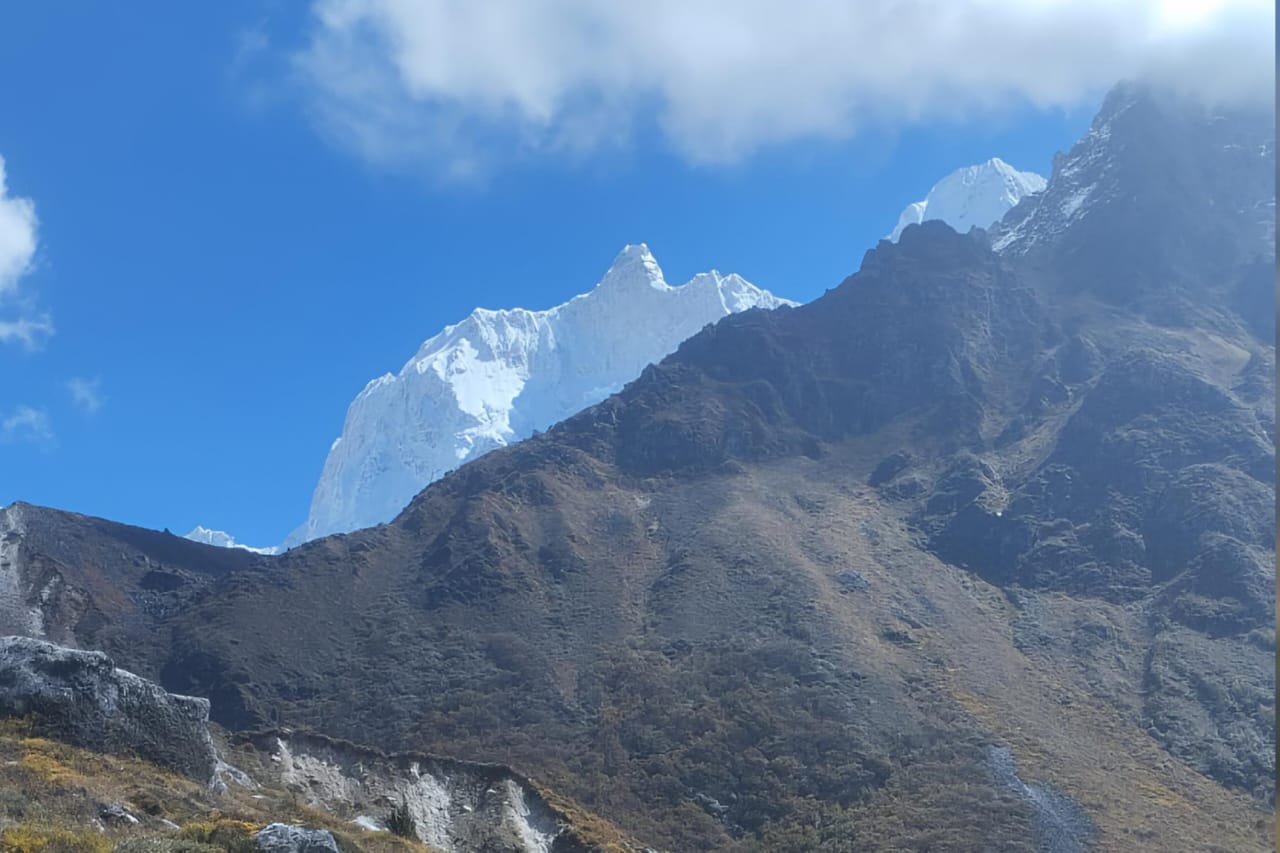
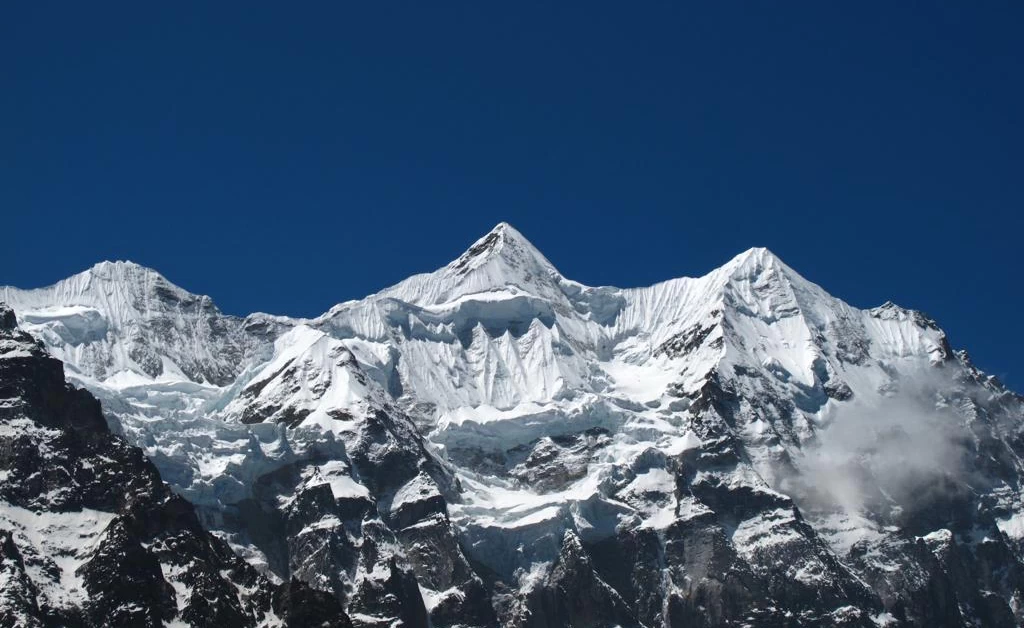
You’ll get 360° unobstructed views of Mount Jannu (7711 metres) and the Kanchenjunga North Face. The stability of the weather makes crossing the Sele La Pass (4,290 metres) much safer, as there is less risk of the slushy, waist-deep snow found in early.
From the trade-off point of view, it’ll be significantly colder. By November, nighttime temperatures at Lhonak (4,780m) can plummet to -15°C or lower. You must be prepared with professional-grade cold-weather gear.
| Months | conditions | Why Go? |
| March. | Cold but dry, lingering snow on passes. | Best for solitude; early spring flowers. |
| April. | Moderate temperatures, peak Rhododendron bloom. | Best for nature lovers and birdwatchers. |
| May | Warmest month, occasional afternoon. Haze | Best for those who dislike the extreme cold. |
| October | Maximum clarity, stable blue skies. | The gold standard for mountain photography. |
| November | Very cold, crystal clear, quiet trails. | Best for experienced trekkers seeking silence. |
The “No-Go”: Monsoon & Winter
Monsoon (June – August)
Kanchenjunga is the whitest trek in the region of Nepal. The trails become treacherous, leeches are major health hazards in the lowlands, and landslides can frequently cut off the road access to Taplejung.
Winter (December to February)
While the skies are clear. The “Five Treasures” become inaccessible. Most tea houses. Owners in the villages like guns or migrate to lower elevations to escape the brutal cold. High passes are often blocked by several feet of history, making the circuit impossible without full mountaineering gear.
Strategic summary: Which one for you?
Choosing your window boils down to your primary goal:
Spring (April)
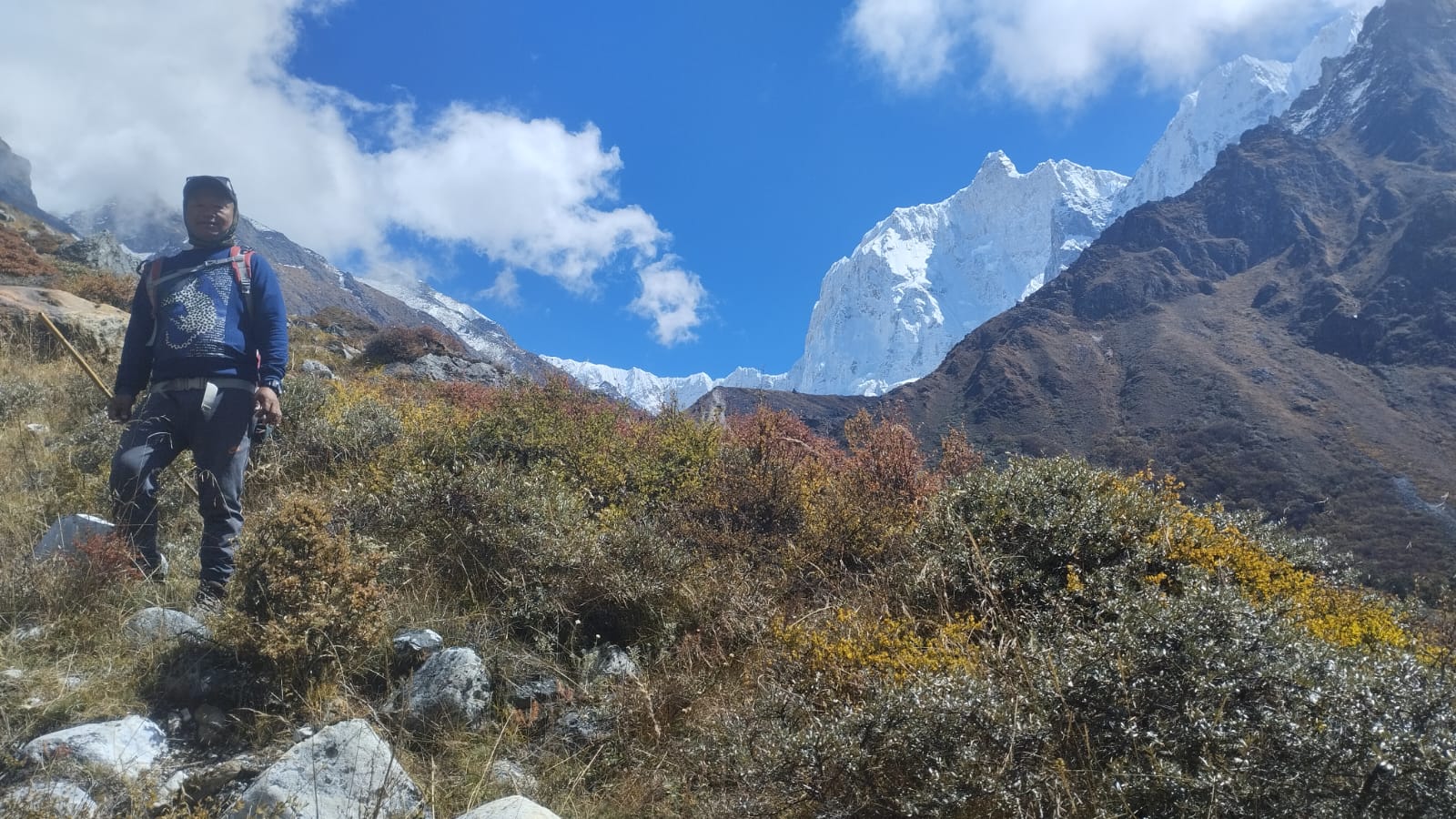
If you want to see the green Himalaya, you will trade a bit of summit clarity for the beautiful forests in Nepal and more active wildlife. As you traverse across the Tamur River, the “Green Himalaya” reveals its true colors through the legendary Rhododendron forests. By mid-April, more than 30 species of these flowering giants- ranging from the blood red rhododendron arboreum at lower elevations to the delicate white and purple blooms of the Rhododendron cmpanulatum as you climb higher- paint the hillsides in vibrant clusters. These forests aren’t just a visual marvel; they are a bustling habitat for the region’s most elusive residents.
Because the spring warmth triggers a surge in insect life and new bamboo shoots, April is the premier window for spotting Red Panda in the dense thickets near Gyabla and Amjilosa. This is also when the Himalayan Monal (Danphe), Nepal’s national bird, is the most active, its iridescent plumage shimmering as it dances through the clearing to attract a mate. You will find the wildlife here is far more visible than in the dormant autumn months, as the entire ecosystem is in a state of high energy renewal.
Autumn (October)
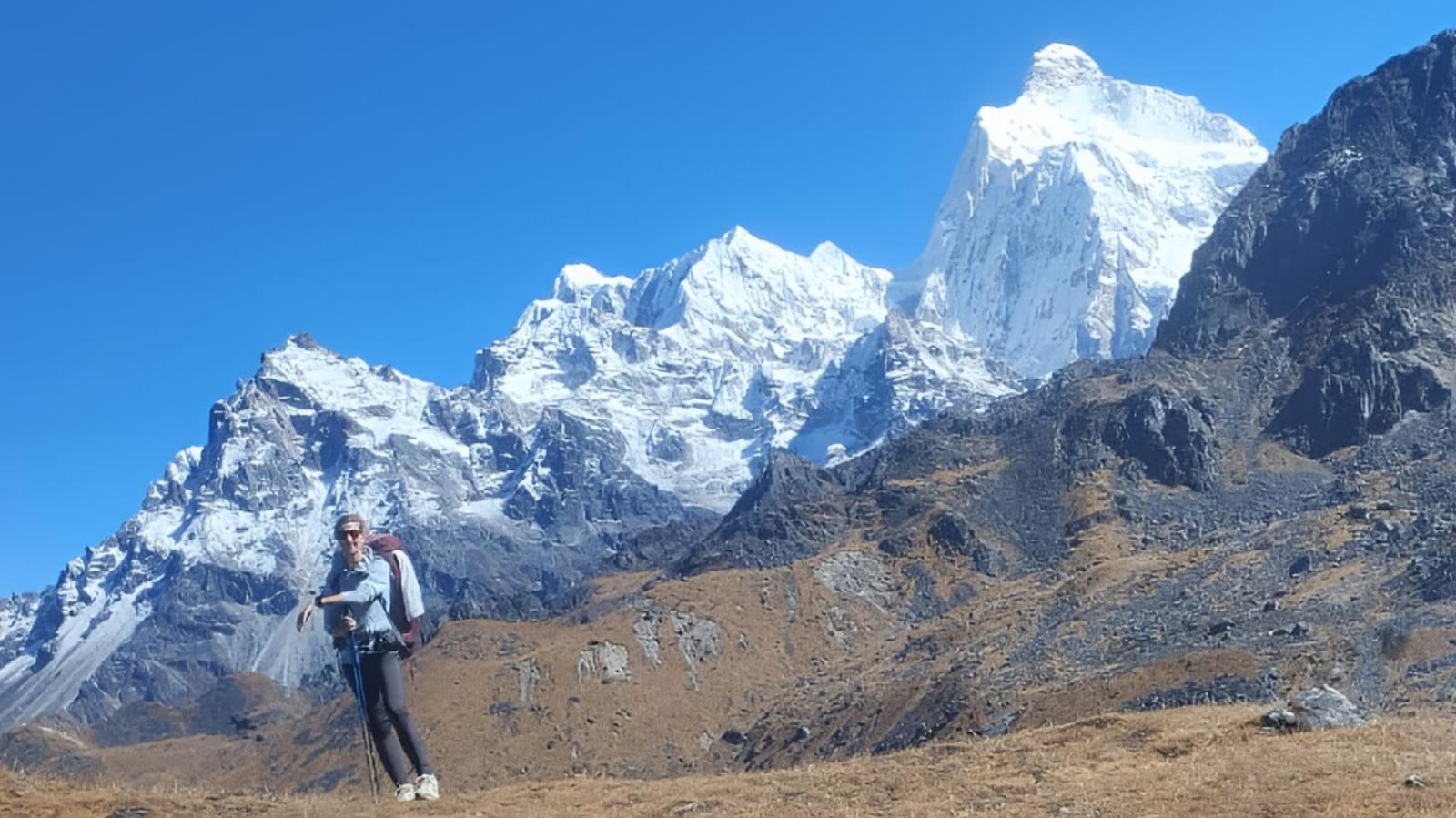
If you’re a photographer or a first-timer who wants the highest safety margin, you will treat the flower first. Sharp, reliable views and dry, stable trails. Move through the circuit. The monsoon nourished landscapes, retaining a deep, vibrant green in the valleys, but the true highlight is unparalleled atmospheric clarity. For photographers, this means the golden hour is a daily reality, then a rare lucky break; the granite Spires of Mount Journal and massive NW pensions on a pier show closed their field within reach.
First time or this stability is a vital safety net. Unlike this spring with late afternoon thunderstorms that can turn trails into murderous lights or upstairs navigation with sudden fog, October’s predictability allows you to pace your accommodation with confidence.
Final Planning tip: The festival factor
If you choose October, your trek will likely overlap with Dashain and Tihar, Nepal’s most important festivals. This adds a unique layer to your trek. You will see local Limbu and Sherpa families gathered together for feasts, and the atmosphere in the lower villages is incredibly festive and welcoming.
The Spirit of Homecoming
As you travel through the Lower Limbu and Rai villages, you will notice an air of anticipation. Dashain is a time of “Homecoming”; Family members return from the cities to these remote hills. In a sense of warmth and reunion to every tea house, you will see children flying colourful kites against the backdrop of the Himalayas and the local building “Linge Ping” (Traditional bamboo swing) that stands in front it high in the village Squares. Taking a turn on this swing is said to “leave the ground once a year to find the path to heaven”.
Intimate rituals and blessings
If you trek during the main days of Dashain, you may witness the “Tika” ceremony. Elders place a mixture of Red Vermilion, yogurt, and Rice on the foreheads of the younger generation as a blessing for prosperity. As a guest, it is not uncommon to be invited into the family’s kitchen to share in these blessings, offering a rare look at the deep spiritual bonds that sustained these isolated communities.
Tihar: The Festival of Lights
Shortly after Dashain comes Tihar, a five-day festival that honors the bond between humans and nature and animals. In the high-altitude Sherpa villages, you might get to witness dogs adorned with flower garlands and red tikas (Kukur Tihar), or the evening sky lit up by small oil lamps (Diyo) placed on the window sills. One of the most enchanting experiences is hearing the “Deusi-Bhailo”- Groups of children and adults moving from house to house and singing traditional songs and dancing in exchange for small gifts and festive treats like Sel-roti (ring-shaped sweet bread).
A treat of enhanced delicacy
During the festivals, the standard meals get a Festive upgrade. Might be offered local daily specialties, such as sukuti (spice-dried meat), mountain goat curries, and homebrewed Tongba (Millet beer), served in traditional wooden canisters. Sharing these males around the smoky kitchen fire is often the moment for trekkers to realise they haven’t just visited a mountain range; they’ve been welcomed into a family.